
SA’s CURRENCY FACES TOUGHEST GAWKISH SENTIMENT IN THREE YEARS
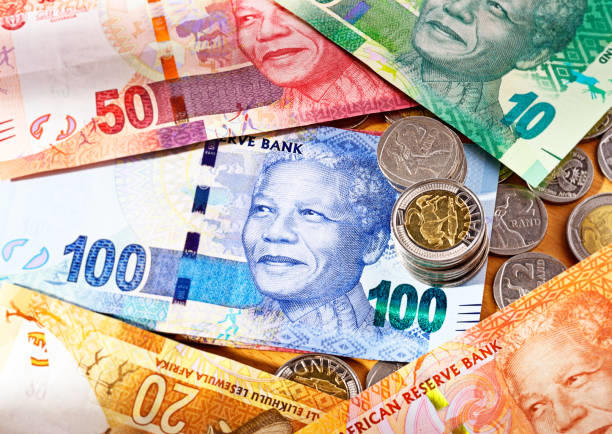

The rand is facing its strongest negative outlook in three years, reflecting growing investor pessimism. Rising living costs and structural challenges in South Africa’s economy are contributing to this sentiment.
The weakening confidence could affect investment flows and increase volatility in the currency markets. Analysts highlight that the rand’s struggles are tied not only to domestic issues but also to global economic issues.
A weaker rand makes imports (such as fuel, food, and electronics) more expensive, which can drive up overall living costs. To stabilize the currency, the Reserve Bank may keep interest rates elevated, making loans, mortgages, and credit more costly.
Salaries and savings lose value in real terms, stretching household budgets further. Retailers and manufacturers relying on imported goods face rising costs, which may be passed on to consumers.
Companies selling goods abroad could gain from a weaker rand, as their products become cheaper internationally. Foreign investors may hesitate to commit capital, slowing growth and job creation.
This article is adapted from MSN News reporting, with full credit to the original writers. Jozi Captions provides summaries and contextual analysis for our readers.