
SA PRESIDENT CALM AMID US TRADE MEETING AND GENOCIDE TENSIONS CLAIMS


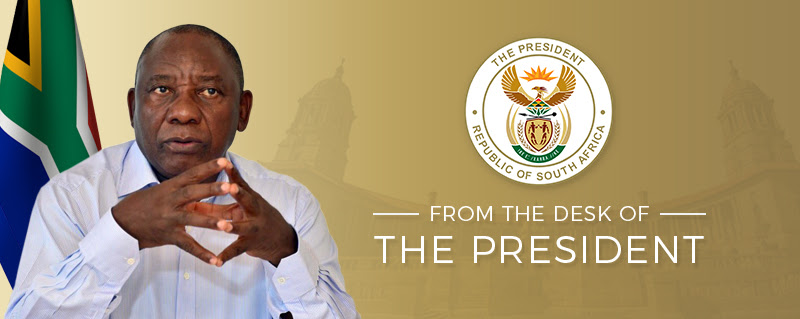
Despite the possibility of a hostile reception, Ramaphosa remains CALM on protecting South Africa’s economic interests. President Cyril Ramaphosa is preparing for a potentially contentious meeting with US President Donald Trump, with high-stakes discussions expected on trade, race policies, and allegations of “genocide” against white Afrikaners CLAIMS.
The meeting marks one of Ramaphosa’s most critical diplomatic engagements, with the African Growth and Opportunity Act (Agoa) trade deal at risk. Agoa enables duty-free exports worth R66bn in sectors like automotive, citrus, and wine.
Presidency spokesperson Vincent Magwenya said Ramaphosa was losing no sleep over what kind of reception awaited him.
Government officials anticipate a tough discussion, with US Secretary of State Marco Rubio likely leading the charge. South African-born billionaire Elon Musk may also pressure Ramaphosa on issues like Starlink and BEE laws.
“The likelihood of humiliation is there,” one official admitted. “We have been given a sense that behind closed doors, it’s going to be a rough meeting.”
Trade agreements are one of the essential pillars supporting South Africa’s economic strategy, shaping market access, investment flows, and international competitiveness.
While global discourse on trade has recently focused on negotiations involving the United States, Canada, Mexico, and China, to mention a few, South Africa needs to look closer to home and examine its own trade agreements to capitalise on emerging opportunities and mitigate potential risks.
South Africa is a middle-income emerging market with an abundant supply of natural resources; well-developed financial, legal, communications, energy, and transport sectors; and a stock exchange that is Africa’s largest and among the top 20 in the world.
Economic growth has decelerated in recent years, slowing to an estimated 0.7% in 2017. Unemployment, poverty, and inequality – among the highest in the world – remain a challenge. Official unemployment is roughly 27% of the workforce, and runs significantly higher among black youth.
Even though the country’s modern infrastructure supports a relatively efficient distribution of goods to major urban centers throughout the region, unstable electricity supplies retard growth. Eskom, the state-run power company, is building three new power stations and is installing new power demand management programs to improve power grid reliability but has been plagued with accusations of mismanagement and corruption and faces an increasingly high debt burden.
South Africa’s economic policy has focused on controlling inflation while empowering a broader economic base; however, the country faces structural constraints that also limit economic growth, such as skills shortages, declining global competitiveness, and frequent work stoppages due to strike action.
Information SOURCED